
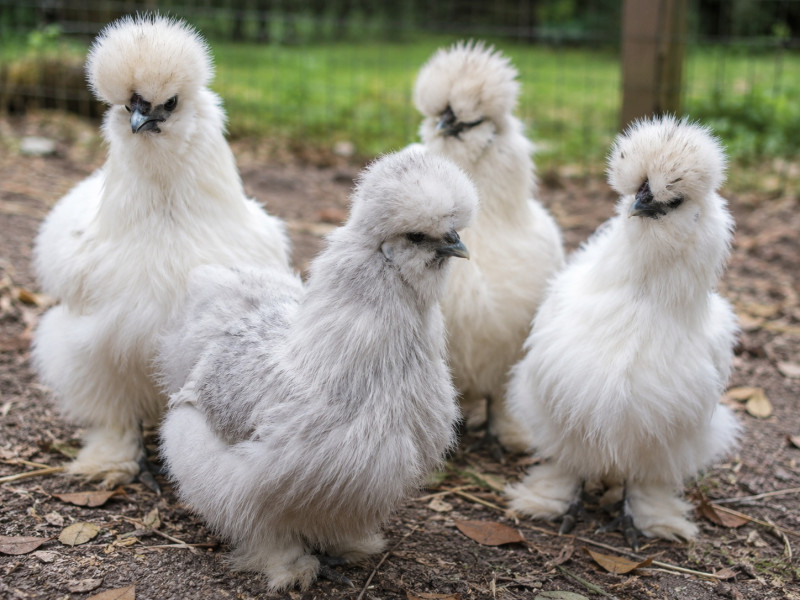
Silkie chickens, often simply called Silkies, are one of the most charming and recognizable chicken breeds in the world. With their soft, fluffy feathers, rounded crests, dark skin, and calm personality, they look very different from ordinary chickens. Many people keep Silkies not only for eggs, but also as ornamental birds and friendly backyard pets.
What Makes Silkies So Special?
The most famous feature of Silkie chickens is their unusual plumage. Their feathers do not have the same structure as typical chicken feathers, so they look soft and silky, almost like fur. This gives them a round, fluffy appearance that makes them especially popular among children and poultry enthusiasts.
Silkies also have several unique physical traits. They usually have dark bluish-black skin, dark bones, feathered feet, and five toes on each foot instead of the usual four. Many Silkies also have a fluffy crest on the head, which adds to their gentle and decorative look.
Temperament and Personality
Silkies are known for being calm, friendly, and easy to handle. They are often described as one of the best chicken breeds for families, beginners, and small backyard flocks. Because of their gentle nature, they usually get along well with people and can become very tame when handled regularly.
However, their peaceful temperament can also make them more vulnerable in mixed flocks. More dominant breeds may bully them, so it is best to keep Silkies with other gentle chickens or provide enough space and shelters where they can feel safe.
Eggs and Broodiness
Silkie hens lay small to medium-sized eggs, usually cream or light brown in color. They are not the most productive egg layers compared with commercial breeds, but they are valued for another reason: they are excellent mothers.
Silkie hens are famous for their strong broody instinct. This means they often want to sit on eggs and hatch chicks. Many breeders use Silkies to hatch not only their own eggs, but also eggs from other chicken breeds or even other poultry species.
Care and Housing
Silkies need safe, dry, and clean housing. Their fluffy feathers are beautiful, but they are not very waterproof. Because of this, Silkies should be protected from heavy rain, mud, and damp conditions. A dry coop and covered run are especially important.
Their crests can sometimes limit their vision, so owners should make sure they can easily find food, water, and shelter. In some cases, gently trimming the feathers around the eyes may help the bird see better.
Because Silkies are small and cannot fly well, their enclosure should protect them from predators such as foxes, dogs, cats, and birds of prey. Secure fencing and a safe nighttime coop are essential.
Colors and Appearance
Silkies come in many beautiful colors, including white, black, blue, buff, splash, gray, and partridge. White Silkies are especially popular because their fluffy feathers give them a cloud-like appearance. No matter the color, their soft plumage and rounded shape make them stand out in any flock.
Are Silkies Good for Beginners?
Yes, Silkies can be a very good choice for beginners, especially for people who want friendly, decorative chickens rather than high egg production. They are gentle, attractive, and enjoyable to watch. However, new owners should remember that Silkies need extra protection from wet weather and aggressive flockmates.
Conclusion
Silkie chickens are much more than just beautiful birds. They are gentle, friendly, and full of character. Their unique appearance, calm personality, and excellent mothering instincts make them one of the most beloved chicken breeds in the world. For anyone looking for a charming backyard chicken with a soft and peaceful nature, the Silkie is a wonderful choice.